
Composite technology that works on the production floor.
Nexsus Marine supports composite manufacturers, boatbuilders, shipyards, technology companies, and project owners with practical engineering that connects materials, tooling, process control, quality, schedule, and cost.
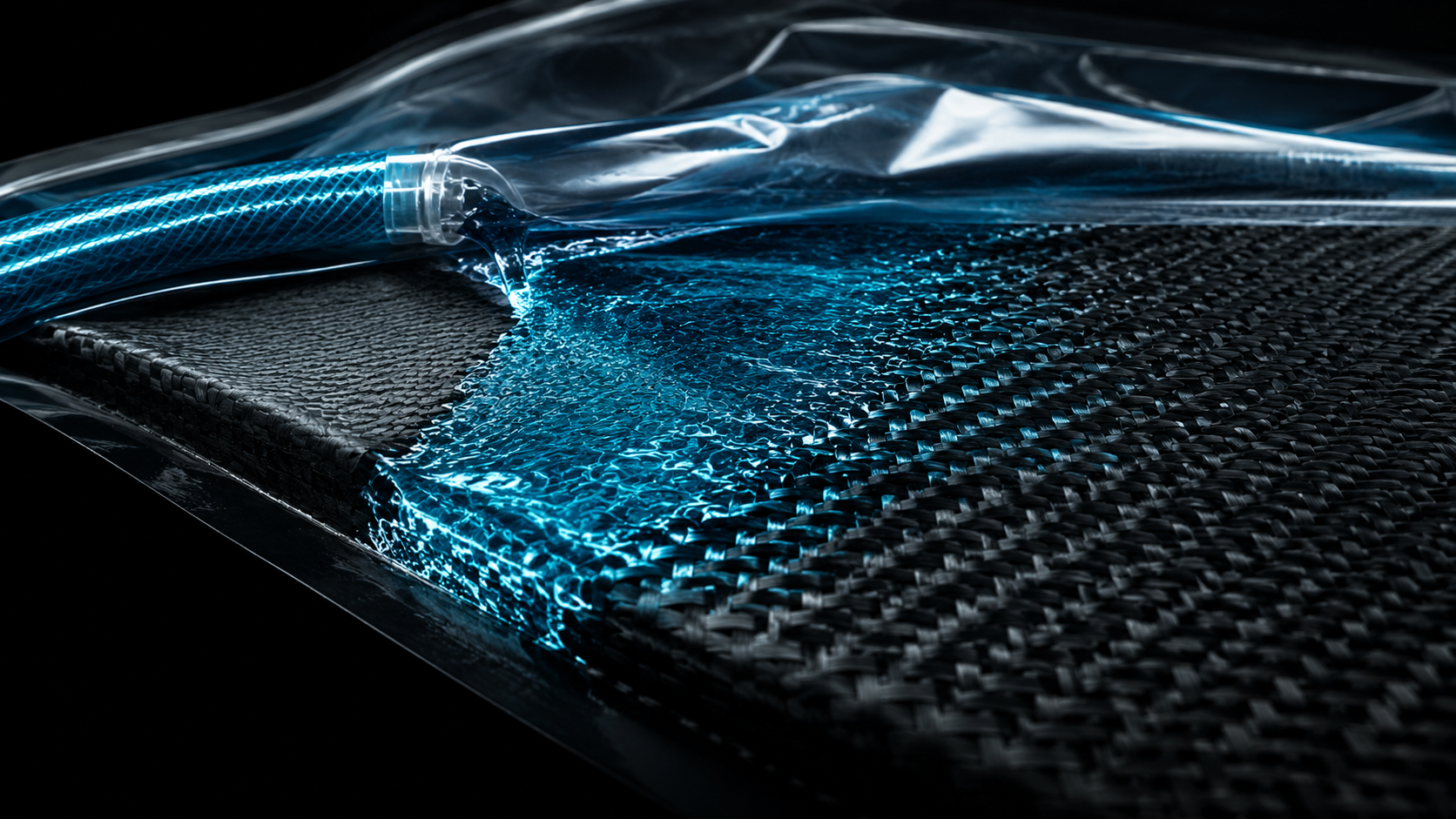
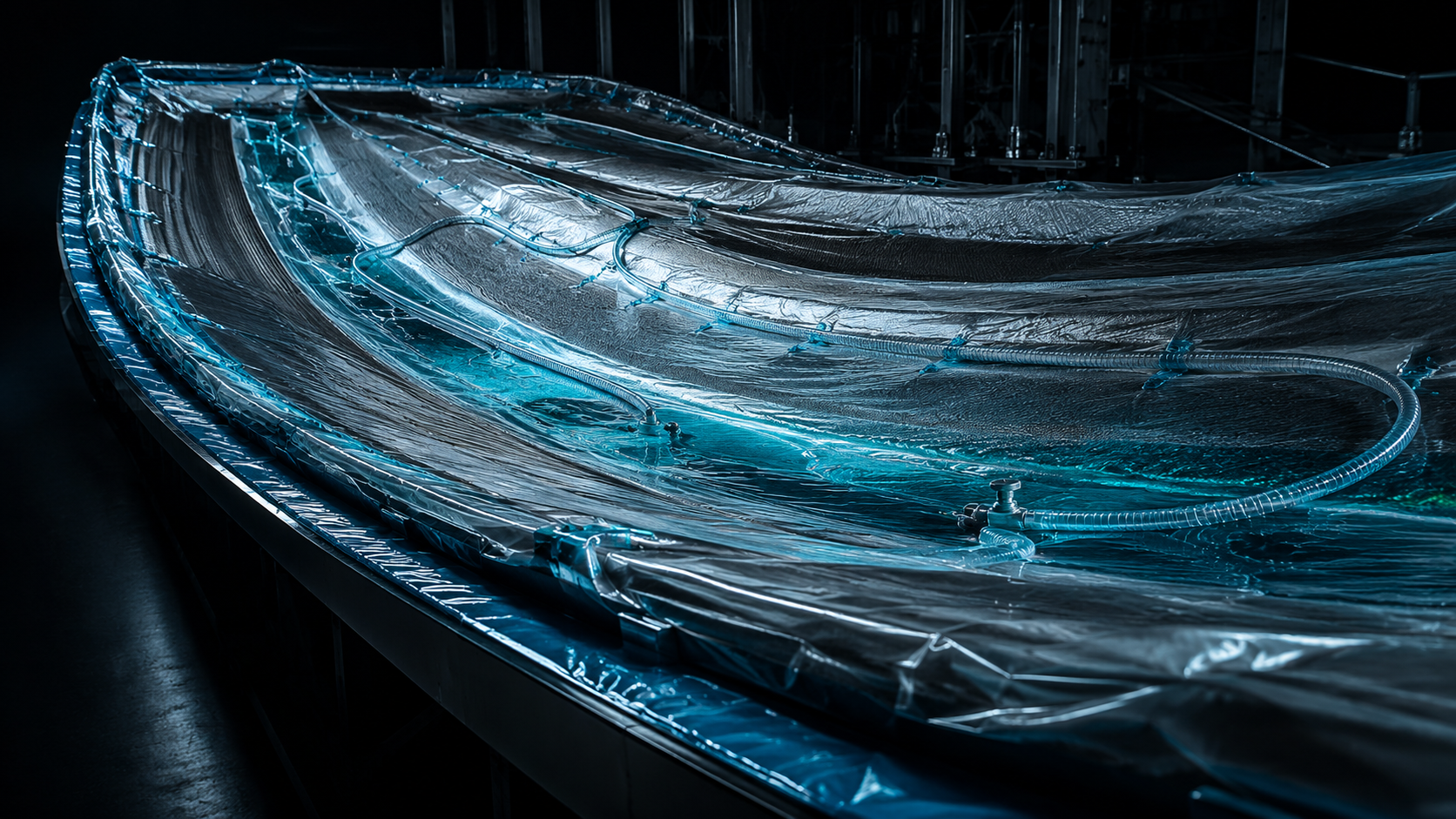
Why vacuum infusion works for marine structures
Controlled resin flow and vacuum consolidation create lighter, cleaner, and more consistent composite structures for demanding marine applications.
Lower Structural Weight
Optimized fiber-to-resin ratios reduce unnecessary resin mass while maintaining structural performance.
Corrosion Resistance
Composite hulls and structures resist seawater corrosion and reduce dependence on protective coatings.
Efficiency and Range
Lower displacement can improve acceleration, fuel efficiency, payload capacity, and operating range.
High Structural Integrity
Vacuum pressure consolidates reinforcement and core materials into a strong, well-bonded laminate.
Complex Marine Geometry
Hull forms, decks, superstructures, and integrated details can be produced with fewer secondary joints.
Repeatable Production Quality
Defined vacuum, resin, temperature, and flow parameters improve consistency across production runs.
Composite engineering
and manufacturing capabilities
Vacuum Infusion Engineering
Infusion architecture, resin-flow strategy, feed and vacuum-line planning, consumables, trials, monitoring, defect analysis, and process optimization.
Materials & Laminate Strategy
Fiber, resin, core, adhesive, laminate sequence, sandwich construction, weight targets, manufacturability, durability, and cost trade-offs.
Tooling & Process Design
Mold and tool concepts, demolding strategy, vacuum integrity, thermal behavior, production sequence, ergonomics, cycle time, and repeatability.
Production Engineering
Build strategy, station planning, work instructions, material control, workforce guidance, production readiness reviews, and supplier coordination.
Quality & Inspection Planning
Process checkpoints, acceptance criteria, traceability, vacuum records, cure records, defect classification, inspection strategy, and corrective actions.
Repair & Modification
Damage assessment, repair concepts, local reinforcement, structural modification, production instructions, and implementation support.
Vacuum infusion: designed, validated, and controlled.
Our work begins with the real part, laminate, tooling, workforce, facility, and production target. We then develop a process that can be understood, measured, repeated, and improved.
- Part and laminate manufacturability review
- Flow-media and permeability assumptions
- Resin demand, gel-time, and temperature window
- Feed-line and vacuum-line architecture
- Leak-control and vacuum-integrity requirements
- Trial plan, measurements, and acceptance criteria
- Defect investigation and corrective-action support
- Scale-up for repeat or serial production
Typical project deliverables
- Process-development report
- Infusion schematic and consumables plan
- Material and laminate recommendations
- Mold and tooling requirements
- Manufacturing sequence and work instructions
- Trial and validation plan
- Quality-control and inspection plan
- Defect and root-cause assessment
- Production-readiness review
- On-site or remote technical support
Need a more reliable composite process?
Bring us the part, process challenge, production target, or project requirement.